Our Mission
The Council on Nursing and Anthropology is an organization that brings together nurses, anthropologists and others interested in understanding and promoting the health of peoples and cultures around the world through research and practice innovations.
Common interests of CONAA members are basic and applied health research, improved health care for vulnerable populations, and encouraging cultural and social justice content in nursing education.
What is CONAA?
The Council on Nursing and Anthropology (CONAA) is an organization for those interested in both nursing and anthropology. We meet each year at the Society for Applied Anthropology (SfAA) meetings in the spring. For the past three decades, the Council on Nursing and Anthropology (CONAA) has gathered nurse-anthropologists, nurses and other health care professionals, anthropologists and other health social scientists and friends for scholarly and evidence-based practice initiatives.
Our Goals
To increase our visibility globally through social media and to use the knowledge CONAA has gained from our 35 years of existence to expand our international and local member base. Our redesigned logo, website and Facebook page is intended to help in these efforts.
To enhance collaboration with partner organizations such as the Society for Applied Anthropology and the Transcultural Nursing Society and to create new partnerships with international organizations.
Publications





Global Qualitative Nursing Research
Global Qualitative Nursing Research (GQNR) is the official journal for CONAA’s Annual Conferences. This partnership enables publication of abstracts and conference papers (subject to peer review) free of charge. CONAA is represented on the GQNR Editorial Board.
Learn MoreMembership

Apply Now
The Council on Nursing and Anthropology (CONAA) is interested in recruiting new members who share their enthusiasm about issues linking anthropology, nursing and other issues related to health and health care. Membership is open to nurses, non-nurses, anthropologists, non-anthropologists, and to anyone who is interested in the ways anthropology, nursing, health and health care intersect.
To facilitate a dialogue on topics of interest to CONAA, we sponsor sessions at the annual meetings of the Society for Applied Anthropology (SfAA).
Topics of interest among CONAA members include class, race, racism, gender, immigration, vulnerable populations, disease-specific cultural understandings of health, risk, and healing, and health care access and acceptability.
Although CONAA members' research interests vary widely, they share a common interest in educating nurses and other health care providers to understand and incorporate anthropological knowledge, theory and skills into health and health care.
To join or renew CONAA, please click here.
Opportunities
CONAA Speaker Series
November 7, 2025
Join the Zoom
Global Qualitative Nursing Research (GQNR) is a ground breaking, international, peer-reviewed, open-access journal focusing on qualitative research in fields relevant to nursing world-wide. GQNR also welcomes qualitative studies pertinent to nursing that advance knowledge of diversity and systemic biases (e.g., racism), including the intersection of multiple oppressions and social identities, that shape experiences of health and illness, nursing and healthcare, and their implications for health equity. The journal provides a forum for sharing qualitative research from around the world that has international relevance for nursing. GQNR will publish research articles using qualitative methods and qualitatively-driven mixed-method designs as well as meta-syntheses and articles focused on methodological development.
CONAA has partnered with GQNR to provide members with these important opportunities:
- Publication of accepted CONAA Conference abstracts free of charge
- Article Process Charge waivers are available for SfAAconference attendees who submit their manuscript within 18 months of the conference and the manuscript is accepted for publication in GQNR.
- Participate in peer review of manuscript submitted to GQNR. Register to be a reviewer here.
- Serve as Guest Editor(s) for a Special Collection in GQNR. Click here to submit your proposal.
Information about the journal and submission guidelines can be found here. Follow GQNR on Twitter for updates: @GQNRjournal
CALL for PAPERS: GQNR is now inviting manuscripts from the 2021 SfAA conference attendees. Click here for details.
For further information contact: Kristina Moulton, Managing Editor, Kristina.Moulton@sagepub.com or Dr. Joan L. Bottorff, Editor-in-Chief, GQNR, joan.bottorff@ubc.ca

Council on Nursing & Anthropology
J. Thomas May CONAA Mentorship Program
The J. Thomas May CONAA Mentorship Program is an exciting way for members to learn more about applied anthropology through CONAA and to develop the necessary skills for successful leadership in nursing and anthropology globally.
In 2020, in memory of J. Thomas May, the Council on Nursing and Anthropology (CONAA) introduced the J. Thomas May CONAA Mentorship Program. It was implemented to promote mentoring of members, to develop CONAA leaders, and to support innovative practices.
CONAA will highlight each J. Thomas May CONAA Mentee with a selected interest article. Mentors will also be recognized by CONAA.
The Council on Nursing and Anthropology CONAA supports the education of its members to better understand and incorporate anthropological knowledge, theory and skills into the science of health and health care.
The CONAA Executive Committee is inviting active members to apply to the J. Thomas May CONAA Mentorship Program.
The Program is an opportunity to grow professionally and personally, to develop and expand leadership skills and learn more about the Council on Nursing and Anthropology (CONAA) and the Society for Applied Anthropology (SfAA). A leadership intern serves in that position for one year, is mentored by a member of CONAA, has the opportunity to develop networking opportunities, and to participate in CONAA activities.
Selection criteria include:
- Evidence of interest in developing leadership, service, scholarship in CONAA
- Availability for a one year term: March through February
- Current member of CONAA
The selected intern will be expected to:
- Participate in special event planning and implementation
- Be available for future CONAA leadership positions
- Attend a CONAA-sponsored event
Functions of an Intern
Under the supervision of the Board designated mentor:
- Become familiar with roles and functions of each officer.
- Participate in committee activities (e.g program development committee, recruitment and retention, etc.).
- Observe functions of webmaster.
- Network with CONAA chapter members.
- Participate in planning and implementation of a selected project.
- Attend a CONAA-sponsored activity as approved by the Board.
How to Apply
To apply, fill out the below form. Once submitted, email your current curriculum vitae and one letter of support from a CONAA member. The deadline for application is February 1.
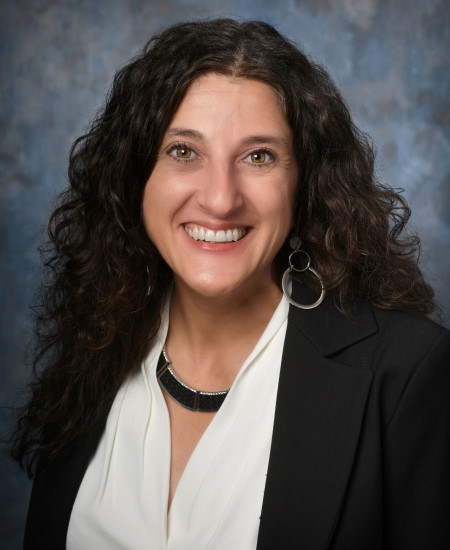
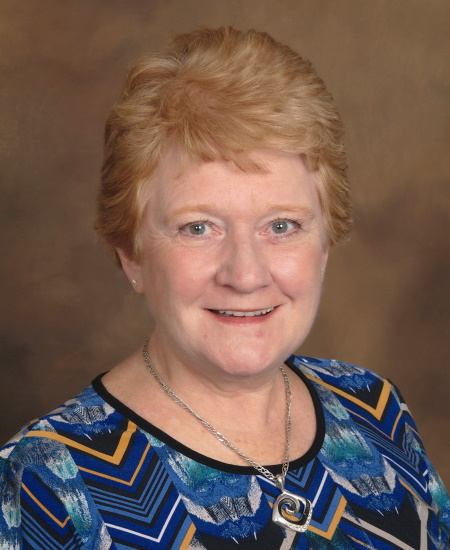
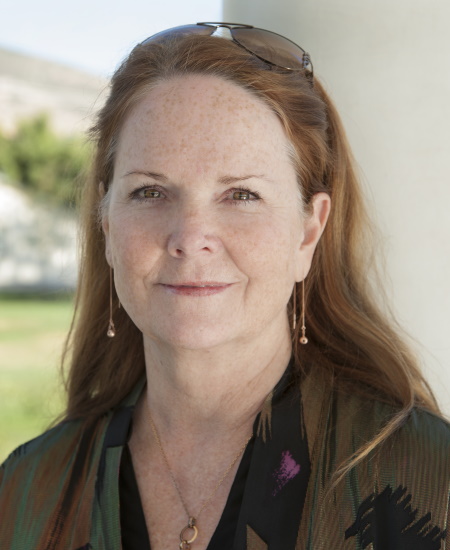
 Querencia means “love of place, land, culture and people” says nurse and anthropologist Ana Malinalli X Gutierrez Sisneros. Locals in northern New Mexico use the term querencia to describe the feeling that calls them back to their towns and to their pueblo. It is the place where they feel connected to the earth. It is the place where they draw their strength, and where they feel truly at home. Ana X from Northern New Mexico College (NNMC) opened her Roundtable session Nuevo Mexico, Our Querencia: Enchanting Transformation through Applied Anthropology on Santa Fe/New Mexico Day with the traditional song “Arriba Nuevo Mexico” and a fervent call to respect the home of the Tewa people.
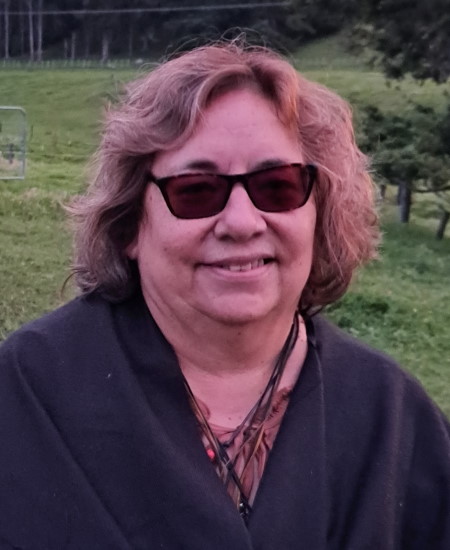
  Panelist and local traditional healer Lupe Salazar from Barrios Unidos, in Chimayo, New Mexico discussed the high percentage of women raising their grandchildren and great grandchildren for family members (who may be in prison or who have died). Lupe, who attended the session with her two-year old granddaughter, uses the quote from Estevan Arellano “if we don’t learn to love them, we will never defend them" on the Barrios Unidos website
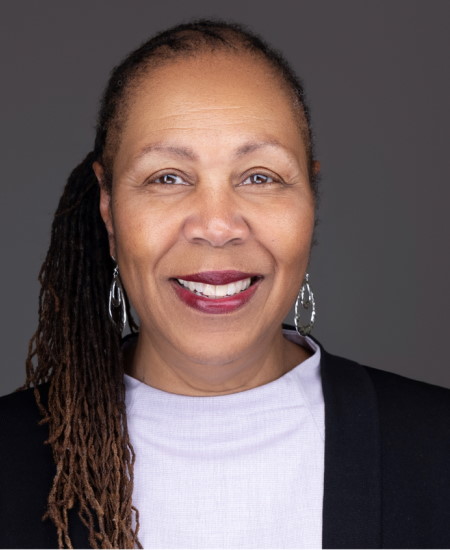
  Roundtable panelist Patricia Trujillo, born and raised in the Española Valley, is the Deputy Secretary of the New Mexico Higher Education Department. Patricia is an expert in cultural sustainability and equity and diversity for historically underrepresented populations. Trujillo, who holds a PhD in U.S. Latina/Latino Literature, was on the faculty of Northern New Mexico College and was instrumental during the early years of the ¡Sostenga! Farm
 Later in the conference week on Thursday Ana X hosted a field trip to El Santuario de Chimayó a shrine located in the Sangre de Cristo Mountains of Chimayó, New Mexico. El Santuario de Chimayó is a holy place that stems in part from the discovery of a miraculous crucifix buried in the dirt there almost 200 years ago. The Pueblo Indians believe that much of the land, particularly the sacred hills and springs east of where today’s church was erected on the Santa Cruz River at “El Potrero” were sacred long before that time. The Tewa Indians had used the land for healing and as a part of their indigenous beliefs for centuries. With the imposition of Catholicism by the Spanish, the syncretism of elements of Christianity with traditional religions became necessary for survival.


 The Council on Nursing and Anthropology